New Research Re-Dates The Mammoth Site

Researchers from The Mammoth Site of Hot Springs, South Dakota, have published the results of their study using infrared-stimulated luminescence to re-date The Mammoth Site, with the new dates ranging from 160,000 to 232,000 years ago.

The paper, “Age reassignment using luminescence dating for The Mammoth Site, Black Hills, South Dakota, USA,” was published in the scientific journal Quaternary Research on August 11, 2026. The study was led by Shannon Mahan (United States Geological Survey) and Dr. Jim Mead (Emeritus Researcher, Mammoth Site), and was co-authored by Paul Hanson (University of Nebraska), Emma Krolczyk (USGS), and Dr. Chris Jass (Principal Investigator, Mammoth Site). 

Jass said, “The re-dating of the Mammoth Site suggests that the site is over 100,000 years older than we once thought. At a broad level, the work reflects the importance of continuing to test previous interpretations and really highlights the significance of our preservation of much of the site in situ. The work was possible because we’ve preserved not only the bones, but also part of the sinkhole itself. Given the new age estimates, we can revisit and reevaluate other interpretations about the site (e.g., how often were animals being trapped?). It also gives us an opportunity to explore questions about the life history of mammoths across a broader time span. It’s an incredibly exciting opportunity to re-evaluate much of what we thought we knew about not only the Mammoth Site, but also the Ice Age history of the fauna of the Black Hills region.”

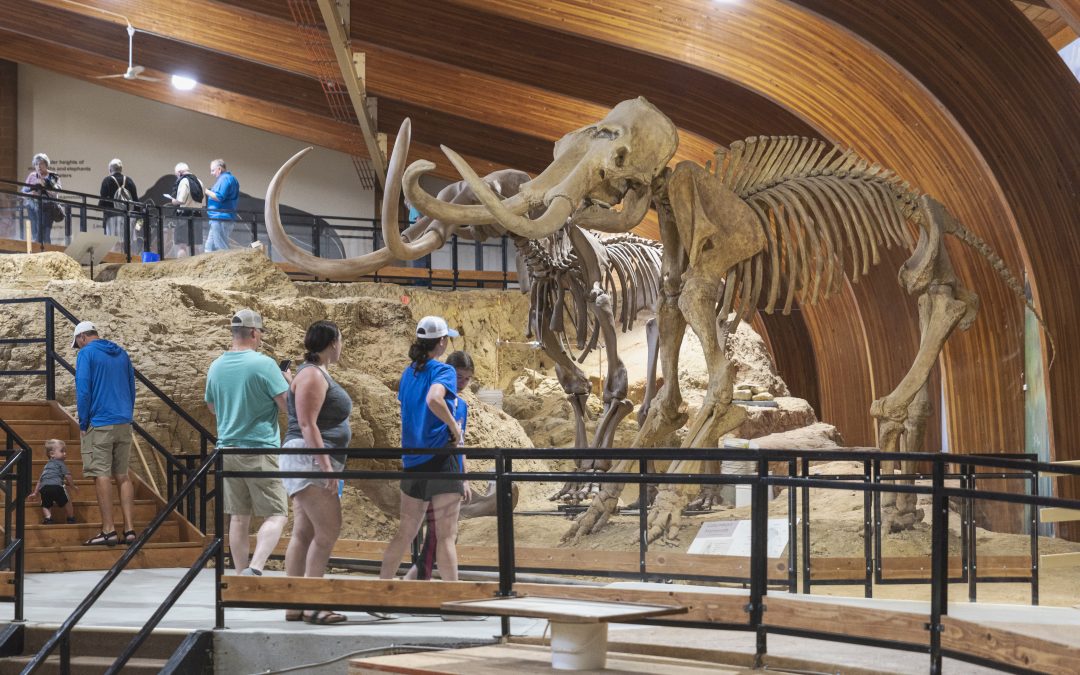
The Mammoth Site is a 501(c)(3) nonprofit organization dedicated to the mission of preservation, research, and interpretation of the late Ice Age record found at the site in Hot Springs, South Dakota. The world’s largest mammoth research facility and one of the top fossil interpretive sites in North America, over 60 mammoths (58 Columbian, 3 woolly) have been unearthed, along with at least 87 other Late Ice Age animals.
Discover The Mammoth Site

Tucked into the southern Black Hills in Hot Springs, South Dakota, The Mammoth Site offers something you won’t find anywhere else in the world—an active Ice Age dig site preserved indoors. Located less than an hour from Rapid City, and within easy driving distance of...

Lang Family Dig Building Dedicated

HOT SPRINGS, S.D. – Donations and support from local businesses, foundations and the Lang Family have made the opening of a new dig building and a free summer camp program possible at The Mammoth Site. During The Mammoth Site’s 50th anniversary celebrations, the Lang...

International Beaver Day

International Beaver Day

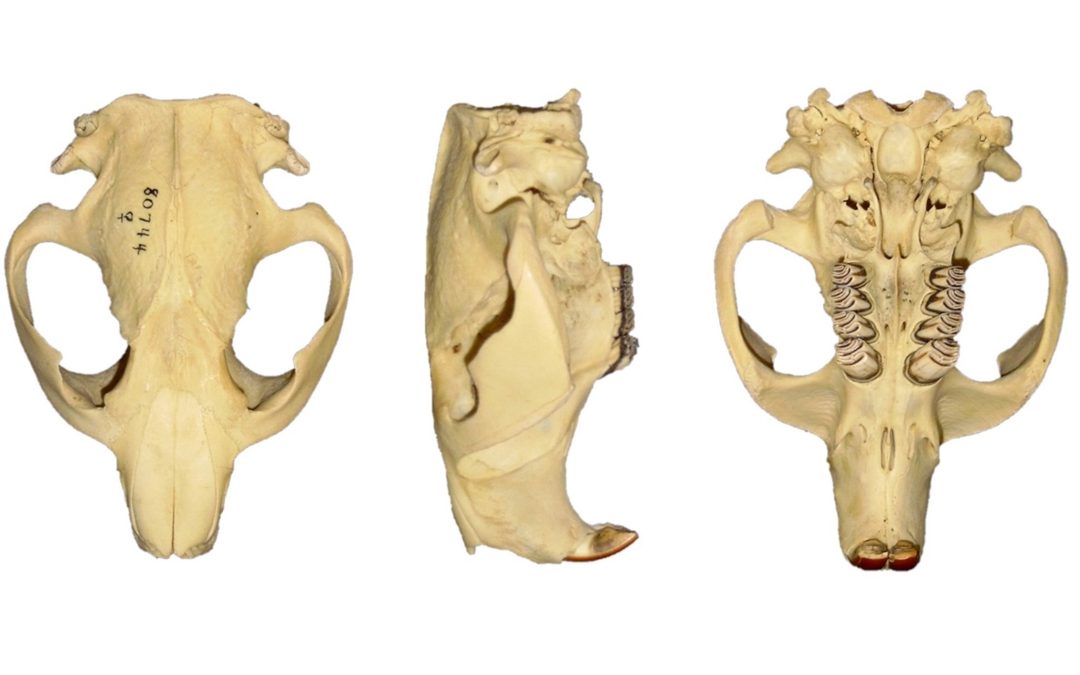
Kelly Lubbers, Bonebed Paleontologist Happy International Beaver Day!! Beavers have been around for a long time (since the late Eocene, about 33 million years ago) and were not all semi-aquatic, tree chewing, dam building like the beavers we see and love today.  Some...

A Bone Voyage

A Bone Voyage

By Greg McDonald “I have been wonderfully lucky, with fossil bones — some of the animals must have been of great dimensions: I am almost sure that many of them are quite new; this is always pleasant, but with the antediluvian animals it is doubly so.” —Letter from...

Botany and Bones in Brazil

Botany and Bones in Brazil

By Greg McDonald The first discoveries of the ground sloths Megatherium and Megalonyx consisted of single individuals that were not mixed with other species. Such discoveries make it easier to be confident that all of the bones are of a single species and that the...

The American Pronghorn and its Ancient Relatives

Richard S. White, Research Associate Antilocapra Americana (Walt Anderson painting) When Europeans began exploring the New World in the 16th-19th centuries, they encountered a wealth of unfamiliar animals and plants. They generally called these animals by some version...

Saltpeter and Sloths

Saltpeter and Sloths

It was not long after Cuvier described the first fossil sloth, Megatherium, in 1796 that additional discoveries of fossil sloths were made. The next prominent discovery was not in South America as might be expected but instead in North America. The discovery of this...