The Short Answer: Any Time of Year Is the Perfect Time to Visit
Planning a trip to the Black Hills and wondering when the best time to visit The Mammoth Site in Hot Springs, South Dakota, is?
The answer is simple: any time is a great time to visit The Mammoth Site.
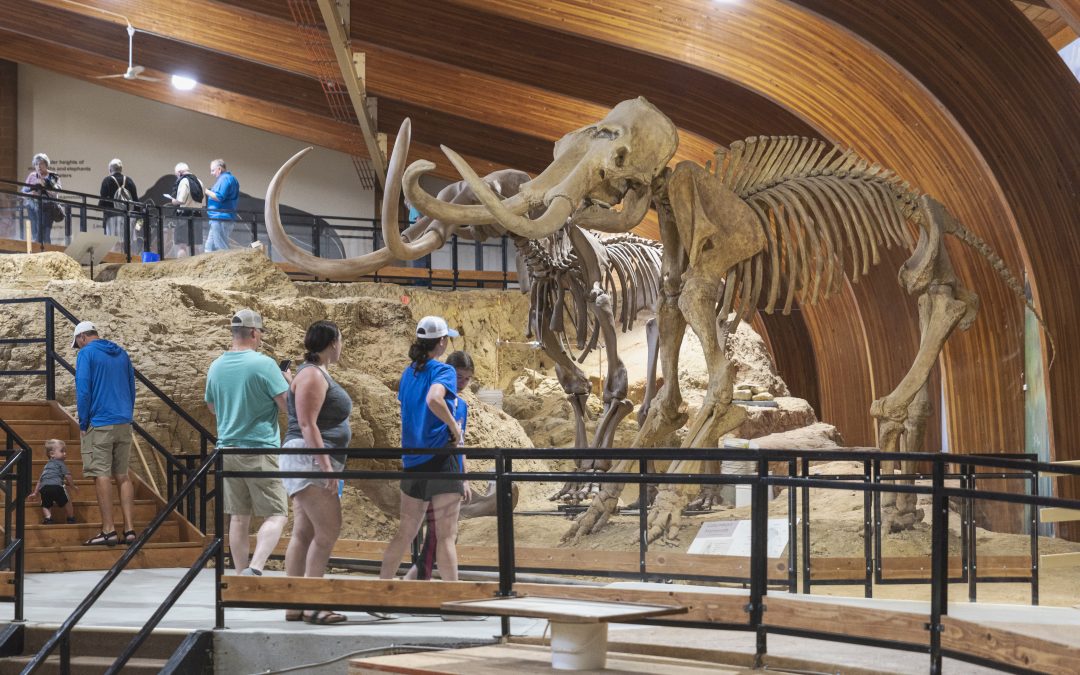
Unlike many outdoor attractions in the Black Hills, The Mammoth Site is housed in a fully enclosed, climate-controlled facility built directly over an active paleontological dig site. Whether you’re escaping the summer heat, avoiding a rainy afternoon, taking a break from the prairie winds, or seeking a family-friendly indoor activity, The Mammoth Site offers a comfortable and unforgettable experience year-round.
Why The Mammoth Site Is Perfect During the Summer
Summer is one of the busiest travel seasons in the Black Hills. Visitors flock to Mount Rushmore, Custer State Park, Crazy Horse Memorial, and the region’s scenic drives.
However, summer weather in western South Dakota can be unpredictable.
One day may bring sunshine and 90-degree temperatures. The next could bring thunderstorms, wind, or smoke from distant wildfires.
That’s one reason so many visitors include The Mammoth Site in their Black Hills itinerary.
Inside our climate-controlled museum and active research facility, guests can explore one of the world’s largest concentrations of mammoth fossils in complete comfort—no matter what’s happening outside.
Looking for Relief From:
- Hot summer temperatures
- Sudden thunderstorms
- Windy conditions
- Smoky or hazy days
- Crowded outdoor attractions
The Mammoth Site offers a fascinating indoor experience for visitors of all ages.
Is The Mammoth Site Worth the Drive?
Absolutely.
Many visitors are surprised to learn that the Mammoth Site is just a short, scenic drive from some of the Black Hills’ most popular destinations.
Approximate driving times:
- Custer: 39 minutes
- Wind Cave National Park: 13 minutes
- Crazy Horse Memorial: 46 minutes
- Hill City: 57 minutes
- Keystone & Mount Rushmore: 67 minutes
- Rapid City: 57 minutes
If you’re staying in Rapid City, Keystone, Hill City, Custer, or anywhere in the southern Black Hills, The Mammoth Site offers an easy half-day adventure blending science, history, and discovery.
Many families tell us The Mammoth Site was one of the most memorable stops of their entire Black Hills vacation.
What Makes The Mammoth Site Unique?
The Mammoth Site isn’t just a museum.
It’s an active paleontological excavation site where scientists continue to study and uncover fossils from a sinkhole that trapped mammoths and other Ice Age animals more than 140,000 years ago.
When you visit, you’ll see:
- In-situ mammoth fossils are still embedded in the ground
- Ongoing scientific research
- Educational exhibits about Ice Age animals
- Interactive experiences for children and families
- One of the largest collections of Columbian mammoth remains in the world
There’s simply no other attraction in the Black Hills quite like it.
A Great Family Activity in the Black Hills
If you’re traveling with kids, grandparents, or multiple generations, finding activities that everyone enjoys can be challenging.
The Mammoth Site is consistently ranked among the most family-friendly attractions in the Black Hills because it combines:
- Real science
- Hands-on learning
- Fascinating fossils
- Indoor comfort
- Guided tours led by knowledgeable staff
Children are amazed by the mammoths’ size, while adults appreciate the unique opportunity to walk through an active scientific excavation.
Frequently Asked Questions
What is the best month to visit The Mammoth Site?
Any month is a great time to visit because the entire facility is enclosed and climate-controlled. Summer offers convenient access for travelers through the Black Hills, but the experience is equally enjoyable in spring, fall, and winter.
How long should I plan for a visit?
Most guests spend 1.5 to 2 hours exploring the exhibits and taking a guided tour. Be sure to add an hour if your family plans to participate in either the Family Dig Program or the Family Ice Age Hunt. It’s something the kids or grandkids will be talking about for a long time. But be sure to book early, as these fill up quickly.
Is The Mammoth Site indoors?
Yes. The Mammoth Site is a fully enclosed, climate-controlled facility, making it an excellent option for hot, rainy, windy, or unpredictable weather.
Is The Mammoth Site worth visiting with kids?
Absolutely. Children love seeing real mammoth fossils, learning about Ice Age animals, and visiting an active dig site where discoveries are still being made.
Make The Mammoth Site Part of Your Black Hills Adventure
Whether you’re spending a week exploring the Black Hills or just passing through on a road trip, The Mammoth Site offers a one-of-a-kind experience you won’t find anywhere else.
Whether the weather is hot, rainy, or windy, or you’re simply looking for an unforgettable indoor attraction, The Mammoth Site is ready to welcome you.
After all, the best time to visit The Mammoth Site isn’t a specific season.
It’s whenever you’re in the Black Hills.
Plan Your Visit Today
Discover mammoths, science, and Ice Age history at one of South Dakota’s most unique attractions. The Mammoth Site is open year-round and welcomes visitors from around the world to explore an active paleontological dig site unlike any other.
This blog was generated with the assistance of artificial intelligence and edited/reviewed by our team.